Nozzle-flapper technology, engineered for refineries, power plants and water works where a drifting zero costs a shift — or a shutdown. TÜV SÜD SIL3 certified. 36 L/h steady-state air. Swap online, without stopping the loop.
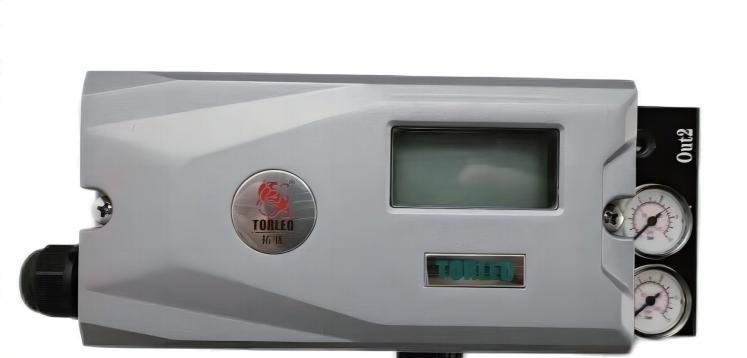
Most valve problems are diagnosed as "DCS tuning issues". Often it's the positioner: drifting zero, fouled air circuit, or a unit nobody can change without a shutdown window.
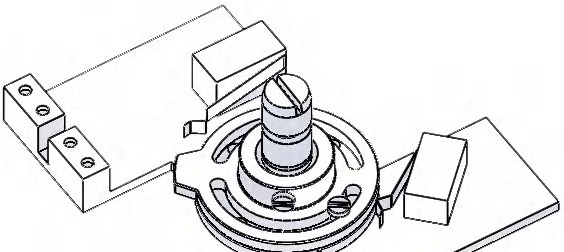
Mechanical nozzle-flapper front end with flexible seal diaphragm — no micro-electronics to walk with ambient heat. Stable control in 200 °C radiant heat and vibration-heavy skids.
C-series supports online hot-swap: calibration parameters transfer and the loop keeps running. A failed unit becomes a 30-minute maintenance job, not a production negotiation.
36 L/h steady-state air consumption and a self-filtering pressure reducing valve in the family (TOP-200). Less bleed, less contamination, longer intervals between servicing.
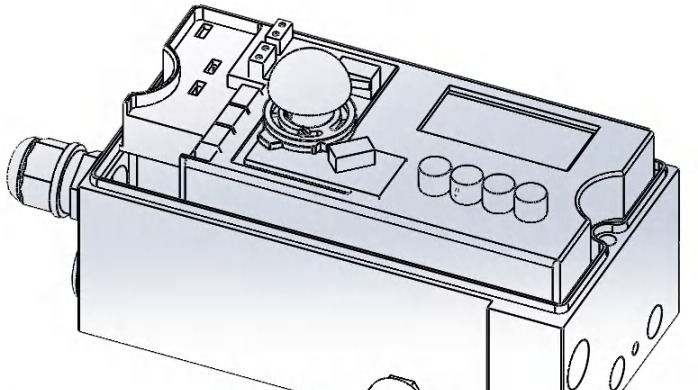
Standard aluminum, stainless 316L for coastal and chloride service, flameproof Ex db, low-flow for small valves, split-mount for vibrating or hard-to-reach locations.
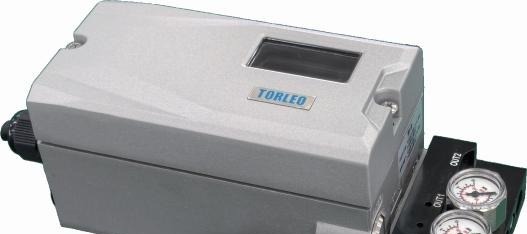
Die-cast aluminum, epoxy coated. The workhorse for modulating service.
Split-mount, 316L housing for salt spray, chloride and washdown zones.
For Zone 1/2 process areas where intrinsic safety isn't the preferred route.
Our platform is built around the three things maintenance teams actually fight: instrument air that isn't clean, positions that must be verified without a shutdown, and enclosures that live outdoors for a decade.
Selected for refinery, power, water, metallurgy and chemical duty — including offshore platforms and nuclear-sector projects.
Hot radiant zones, long runs between turnarounds, ESD valve proof-testing.
Feedwater and desuperheater control, HP/LP bypass, SIL-rated interlocks.
Outdoor humidity, chlorine atmospheres, lightning-prone sites, remote pump stations.
Dust, oil mist and vibration — the environment that kills feedback mechanisms.
Chloride corrosion, aggressive atmospheres, 316L and coated housings.
Small valves, low flow, tight control — the low-flow SFA configuration.
Tell us the service conditions, actuator and current positioner — we'll come back with a sizing and mounting proposal, limits included.
Request a proposal